Petite Outerwear: How to Wear Coats That Don't Swallow a Smaller Frame
Coats are where petite dressing gets hard — the wrong one swallows a smaller frame in fabric, drowning the proportions the rest of the outfit worked to create. The petite-style edit on outerwear: the problem, the proportion-and-fit solutions and the notes by coat style.
The Petite-Coat-Problem Case
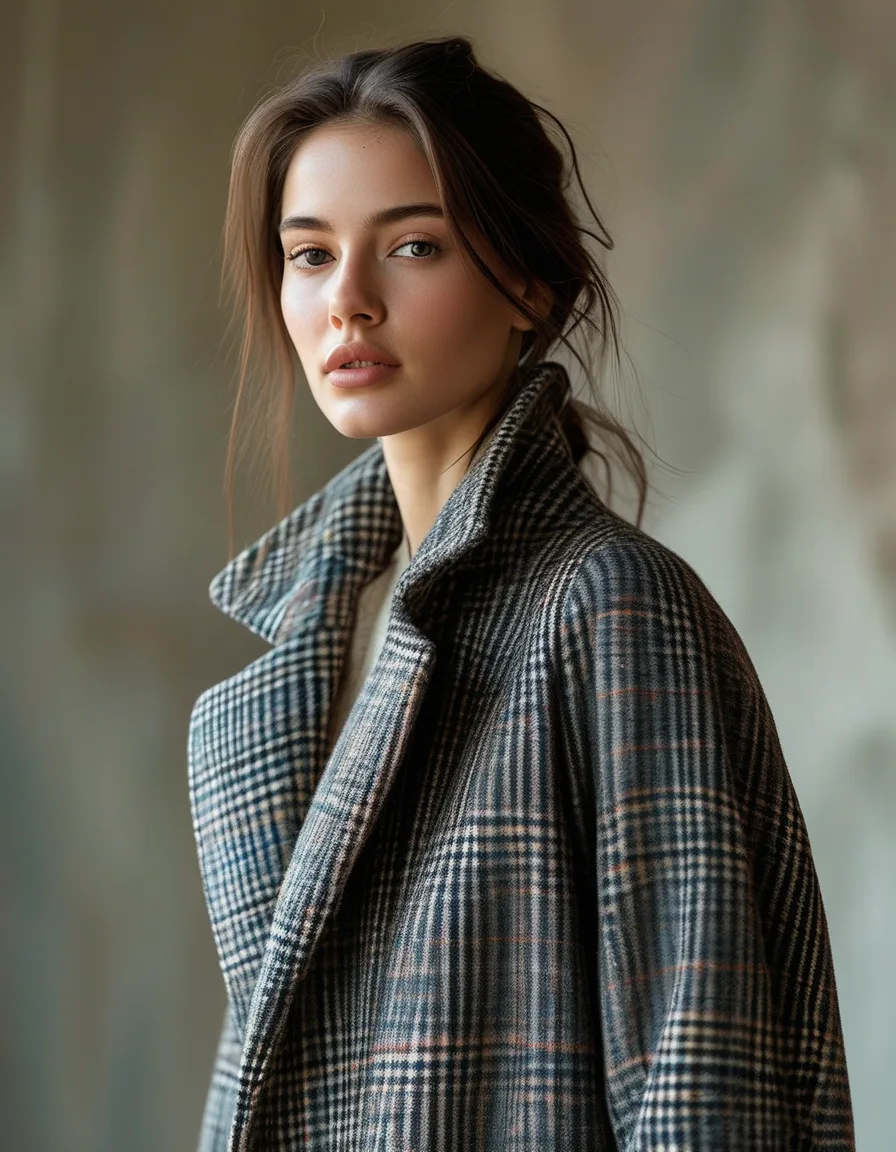
Why coats challenge petite frames: the swallowed-in-fabric (the wrong coat drowning the smaller frame — the volume-that-overwhelms; the petite-proportion-styling foundation), the proportion-lost (the coat undoing the outfit’s proportions — the swamped-effect; the fit-first for petite), the length-and-volume-matter-most (the coat length and volume being the key variables — the get-these-right), the the-off-the-rack-issue (the coats cut for average proportions — the not-your-fault; the tailor-or-choose-well), and the reframe (the petite outerwear as a proportion-and-fit challenge, solvable).
The Proportion-and-Fit Solutions
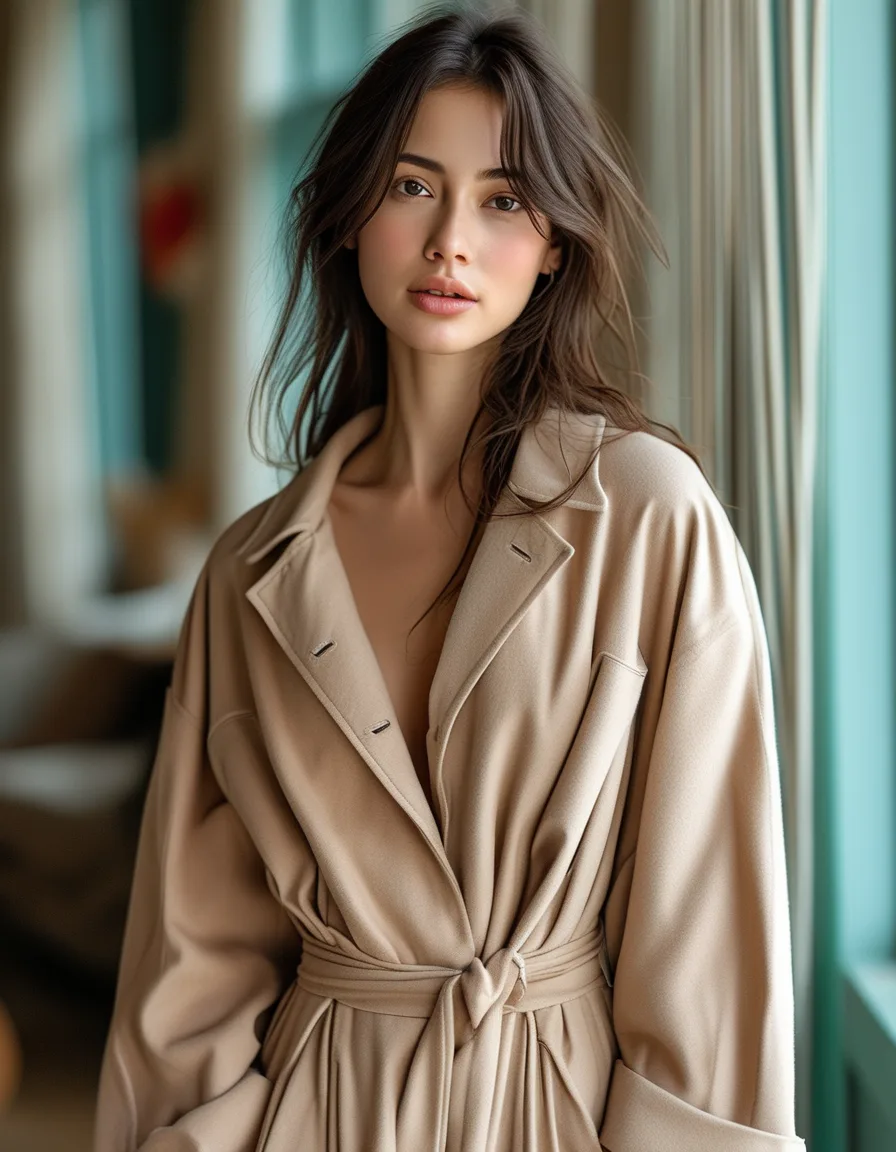
Proportioning coats for petite: the mind-the-length (the coat length hitting a flattering point, not overwhelming — the length that elongates; the petite-dress-length logic applied to coats), the the-right-volume (the not-too-oversized volume for the frame — the structure over swamp; the fitted-or-considered-volume), the fit-the-shoulders (the coat fitting the shoulders — the anchor-point; the tailor-if-needed), the belt-or-define (the belted or waist-defining coat — the shape over shapeless; the create-a-waist), the tailor-the-length-and-sleeves (the hem and sleeves tailored to your proportions — the petite-tailoring; the the-transformation), the vertical-and-monochrome (the vertical lines and monochrome-with-the-coat elongating from the petite-styling-tricks chapter — the lengthen-the-line), and the proportion-with-what’s-under (the coat proportioned to the outfit beneath — the whole-look balance).
The By-Coat-Style Notes
Petite-friendly coats by style: the the-tailored-coat (the structured, well-fitting coat — the petite-friendly-structure; the flatters-the-frame), the the-belted-coat (the belted trench or wrap coat — the waist-definition; the shape-creating), the the-cropped-or-shorter-coat (the shorter length that doesn’t overwhelm — the proportion-friendly), the the-considered-oversized (the oversized done-right for petite from the petite-oversized-trend chapter — the volume-with-proportion; the balance-it), the the-longline-with-care (the longline coat proportioned and monochromed — the elongating-not-drowning), the the-workwear-coat (the tailored coat for the office from the petite-workwear chapter — the professional-proportion), and the frame (petite outerwear as length-volume-and-fit-solved, tailored, and chosen-by-style — coats that flatter, not swallow. Get the length and volume right, fit the shoulders, belt to define, and tailor the hem and sleeves — in structured, belted or well-proportioned coats: outerwear that flatters a smaller frame instead of swallowing it.
Coats are where petite dressing gets hard — the wrong one swallows a smaller frame in fabric, drowning the proportions the rest of the outfit created. Solve it: mind the length (a flattering point, not overwhelming), choose the right volume (structure over swamp), fit the shoulders, belt or define the waist, and tailor the hem and sleeves to your proportions — using vertical lines and monochrome to elongate. Petite-friendly styles: tailored coats, belted trenches and wraps, shorter/cropped coats, considered oversized done right, and longline coats proportioned and monochromed. Coats that flatter, not swallow.
Keep Reading
This article is for general styling and informational purposes only. Trends, sizing, availability and pricing may vary by brand and season.